Practice your English in context. Learn. Read. Listen. Pronounce. Play games...

Wednesday, 11 May 2016

EXPRESSING THE NEGATIVE: NO, NONE, NONE OF


The word no never precedes: a, an, the, any, much, many, enough. 
No is used:
  • as an exclamation.
  • as an adjective before singular and plural nouns.
Not is used:
  • as an adverb to make a sentence negative. 
  • to make an adjective or adverb negative.
  • in short replies with a number of verbs.
Examples:
  • We have no money in the bank now.
  • We do not have any money in the bank now.
  • There are no books in the bookcase.
  • There are no English books in the bookcae.
  • There are not any books in the bookcase.
  • Do you like coffe? No, I don't.
  • Didn't you finish it? No, I didn't.
  • Don't you want this?               Not at all.
  • Won't you be mad at us?        Not in the least.
  • Aren't you going to go?          Not right now.
  • Who took my book?                Not I.


Tuesday, 10 May 2016

THE PIONEERS CHALLENGE QUIZ: THE CORRECT ANSWERS & FINAL RESULTS [7th CW]


Here are the correct answers to the 20 pioneers challenge quiz questions and also the results of people taking part in it.

1- Who refused to give her bus seat to a white passenger in 1955? 
Rosa Parks
2- How old is Valentina Tereshkova? 
79 years old
3- Who fought with the Spanish Republicans? 
Simone Weil
4- What was Darwin's wife's name? 
Emma Wedgwood
5- What is Nadia Comaneci a good example of?
Of perseverance and hard-work.
6- Whose nationality was Dutch? 
Johan Cruyff's
7- Which radioactive elements did Marie Curie discover?
Radium & Polonium 
(*Uranium appears in one of the biographies but it's not correct)
8- Who showed that the white light was formed by colours?
Isaac Newton
9- Where did Kathryn Bigelow study?
At Columbia University & the California Institute of Arts
10- Which of all these pioneers is a tennis-player?
Billy Jean King
11- How many of these pioneers are women?
There are 12
12- When did Armstrong become interested in airplanes?
When he was 6
13- Which of these pioneers were French?
There are 4: Lumiere brothers, Curie & Weil
14-Who was the first woman candidate to the USA presidency? 
Belva Ann Lockwood
15- Whose racing records haven't been broken yet?
Danica Sue Patrick's
16- Who were the Lumiere brothers?
August & Louis Jean, the French inventors of the cinematographic projector
17- Who founded an elevator company
Elisha Otis
18- Why did Emily Davison put herself in the way of the king's horse at Epsom?
She wanted to attach a suffragist flag to the horse.
19- What happened to Elizabeth Blackwell in one of her eyes?
She lost sight because she had an infection after a contaminated solution went in it.
20- Did Michael Jackson have a happy childhood? Why?
No, because he had a bad relationship with his father who was very strict and abused him.

Unfortunately not many students took part in the challenge and none of them answered the 20 questions correctly. These are the students who have with their results:

- Eva Menéndez (1ºBAC-A) 17/20
- Carlos Galán (2ºESO-C) 16/20
- Jeisi Martínez (2ºESO-A) 15'5/20
- Franklin Pérez (2ºESO-A) 15/20
- Abel Pérez (2ºESO-C) 13'5/20
- Sebastián Alzate (2ºESO-B) 10'5/20
- Axel Rodríguez (2ºESO-A) 10/20
- Marcos Gabarri (2ºESO-B) 7/20
- Tamara Gantes (2ºESO-A) 6'5/20

Monday, 9 May 2016

COLLOCATIONS & PHRASAL VERBS WITH "BREAK"


Continuing with a series of posts devoted to common collocations & phrasal verbs with verbs that we started in some previous ones: 
VERB COLLOCATIONS, where you can find some more examples with the verb "BREAK", 
- and one with the verb "HAVE".
We'll be posting every Monday until the end of the course an entry with common collocations with some frequently used verbs.

Some examples in context:
- John broke his leg playing football.
- She discovered the secret. She broke her promise.
- They broke the window with the ball while they were playing.
- You can'y smoke here. You're breaking the law/rules.
- To break the ice, he invited us all to a drink.
- He broke her heart and now they don't see each other anymore.

Sunday, 8 May 2016

THE MAP OF THE LANGUAGES STUDIED AROUND THE WORLD

Here's the map of the languages which are studied around the world, according to Duolinguo, which is an app for language learning.
- English is the most studied language worldwide in 116 of the 194 countries, as you can see that most of the map is green.
- Although French is studied in more countries, Spanish is studied by more people around the world.
- It's weird that Swedish is the most studied language in Sweden. It's because of the high rate of immigration.

Saturday, 7 May 2016

CAUSATIVE: HAVE SOMETHING DONE


'LET', 'MAKE', 'HAVE' & 'GET' are verbs used with a causative sense. Someone is set to do something, following the pattern:

      causative verb+person+infinitive without TO


Friday, 6 May 2016

TRADITIONAL AMERICAN SQUARE DANCING @ "RAFAEL DIESTE" [7th CW]


Last Friday, 29th April, to end up our VII Cultural Week on Pioneers, another activity organized from our English Department took place.
One of our English teachers together with a group of her students performed a traditional American Square Dance. Originally from England, this dance was taken to America by the first settlers, and spread throughout North America thanks to the American pioneers.
We're including in this post links to more info about:


Also including videos of the Square Dance performance at our school, an original American video of how to dance it and the karaoke video of the song "SHE'LL BE COMING ROUND THE MOUNTAINS"


Video of our school performance:


American video explaining how to dance:


Video "SHE'LL BE COMING ROUND THE MOUNTAINS":


Galician version of this post @ ArquivosDoTrasno.

Thursday, 5 May 2016

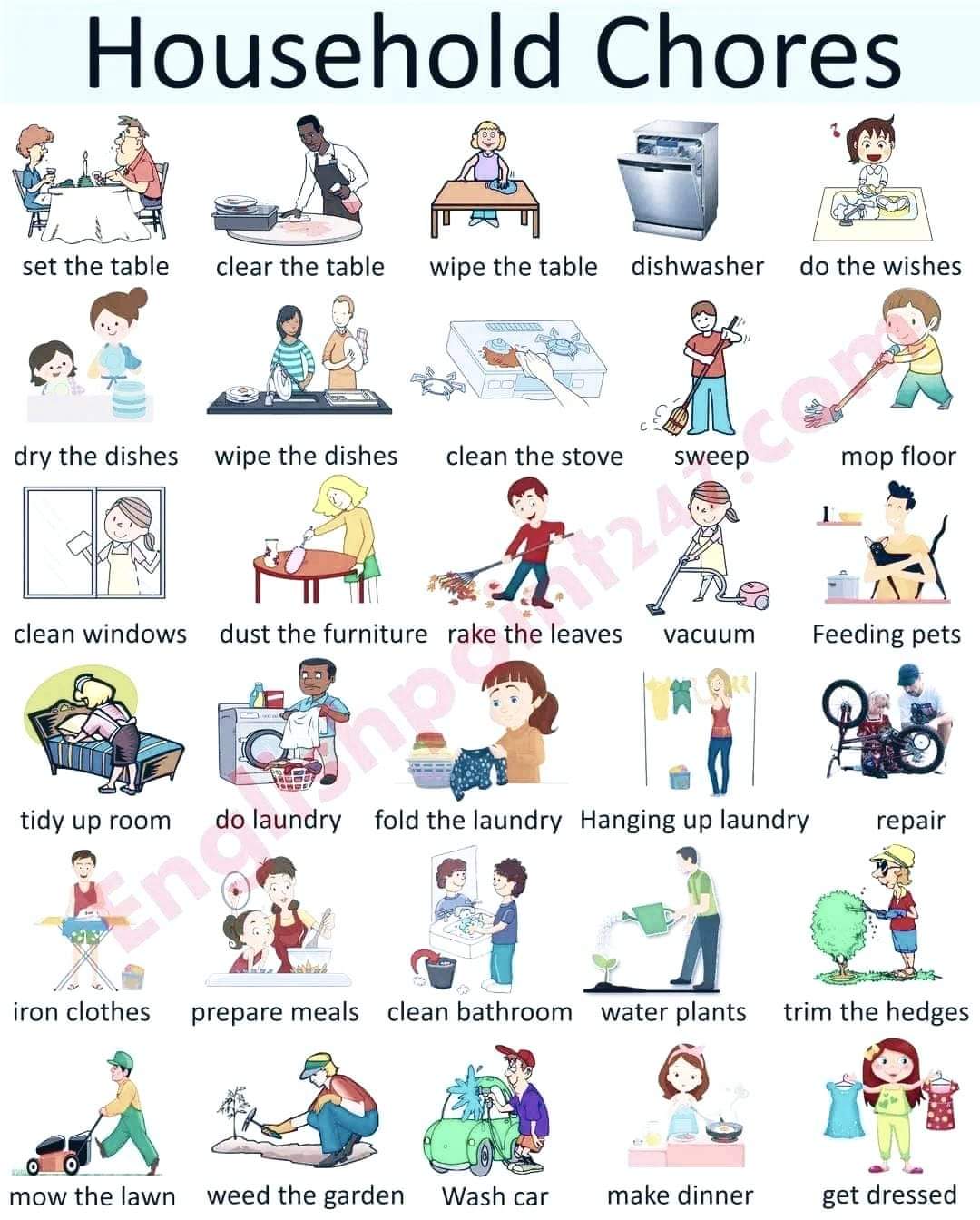
HOUSEWORK / CHORES


Some more everyday activities related to housework or domestic chores.
For other everyday activities click HERE.

Monday, 2 May 2016

THE SCHOOL OF ATHENS @ "RAFAEL DIESTE" [7th CW]


Last Monday, 25th Abril, as an activity of our VII Cultural Week, students from 1ºBAC-A, (my tutoring class) performed "The School of Athens" together with their Philosophy teacher. This performance was a live recreation of the famous Italian Renaissance painting of the same name by Raphael, which now decorates the Stanza de la Segnatura in the Apostolic Palace in the Vatican.

The original painting is shown below:

And below, even another noted version with proposed identifications (according to the Wikipedia):
1: Zeno of Citium 2: Epicurus Possibly, the image of two philosophers, who were typically shown in pairs during the Renaissance: Heraclitus, the "weeping" philosopher, and Democritus, the "laughing" philosopher. 3: unknown (believed to be Raphael)4: Boethiusor Anaximander or Empedocles? 5: Averroes 6: Pythagoras 7: Alcibiades or Alexander the Great? 8: Antisthenes or Xenophon or Timon? 9: Raphael, Fornarina as a personification of Love or Francesco Maria della Rovere? 10: Aeschines or Xenophon? 11: Parmenides? (Leonardo da Vinci) 12: Socrates 13: Heraclitus (Michelangelo) 14: Plato (Leonardo da Vinci) 15: Aristotle (Giuliano da Sangallo) 16: Diogenes of Sinope 17: Plotinus (Donatello?) 18: Euclid or Archimedes with students (Bramante?) 19: Strabo or Zoroaster? (Baldassare Castiglione) 20: Ptolemy? R: Apelles (Raphael) 21: Protogenes (Il SodomaPerugino, or Timoteo Viti)

Including a video which guides you through the painting with a detailed description in English.

Video about "The School of Athens"! painting:


Galician version of this post @ ArquivosDoTrasno. (+video of the performance at our school assembly hall, last Monday)

Sunday, 1 May 2016

IF YOU CAN SAY EVERY WORD IN THIS POEM, YOU SPEAK BETTER ENGLISH THAN 90% OF THE NATIVE ENGLISH SPEAKERS


If you can pronounce this complete poem well, it's said that you speak better than 90% of the British population. The poem is called "THE CHAOS", written by Gerald Nolst Trenité in 1922 and shows the irregularity of English spelling and pronunciation. Have a try, below there's a video where you can listen to it being read if you need help.

Dearest creature in creation,
Study English pronunciation.
I will teach you in my verse
Sounds like corpse, corps, horse, and worse.
I will keep you, Suzy, busy,
Make your head with heat grow dizzy.
Tear in eye, your dress will tear.
So shall I! Oh hear my prayer.
Just compare heart, beard, and heard,
Dies and diet, lord and word,
Sword and sward, retain and Britain.
(Mind the latter, how it’s written.)
Now I surely will not plague you
With such words as plaque and ague.
But be careful how you speak:
Say break and steak, but bleak and streak;
Cloven, oven, how and low,
Script, receipt, show, poem, and toe.
Hear me say, devoid of trickery,
Daughter, laughter, and Terpsichore,
Typhoid, measles, topsails, aisles,
Exiles, similes, and reviles;
Scholar, vicar, and cigar,
Solar, mica, war and far;
One, anemone, Balmoral,
Kitchen, lichen, laundry, laurel;
Gertrude, German, wind and mind,
Scene, Melpomene, mankind.
Billet does not rhyme with ballet,
Bouquet, wallet, mallet, chalet.
Blood and flood are not like food,
Nor is mould like should and would.
Viscous, viscount, load and broad,
Toward, to forward, to reward.
And your pronunciation’s OK
When you correctly say croquet,
Rounded, wounded, grieve and sieve,
Friend and fiend, alive and live.
Ivy, privy, famous; clamour
And enamour rhyme with hammer.
River, rival, tomb, bomb, comb,
Doll and roll and some and home.
Stranger does not rhyme with anger,
Neither does devour with clangour.
Souls but foul, haunt but aunt,
Font, front, wont, want, grand, and grant,
Shoes, goes, does. Now first say finger,
And then singer, ginger, linger,
Real, zeal, mauve, gauze, gouge and gauge,
Marriage, foliage, mirage, and age.
Query does not rhyme with very,
Nor does fury sound like bury.
Dost, lost, post and doth, cloth, loth.
Job, nob, bosom, transom, oath.
Though the differences seem little,
We say actual but victual.
Refer does not rhyme with deafer.
Fe0ffer does, and zephyr, heifer.
Mint, pint, senate and sedate;
Dull, bull, and George ate late.
Scenic, Arabic, Pacific,
Science, conscience, scientific.
Liberty, library, heave and heaven,
Rachel, ache, moustache, eleven.
We say hallowed, but allowed,
People, leopard, towed, but vowed.
Mark the differences, moreover,
Between mover, cover, clover;
Leeches, breeches, wise, precise,
Chalice, but police and lice;
Camel, constable, unstable,
Principle, disciple, label.
Petal, panel, and canal,
Wait, surprise, plait, promise, pal.
Worm and storm, chaise, chaos, chair,
Senator, spectator, mayor.
Tour, but our and succour, four.
Gas, alas, and Arkansas.
Sea, idea, Korea, area,
Psalm, Maria, but malaria.
Youth, south, southern, cleanse and clean.
Doctrine, turpentine, marine.
Compare alien with Italian,
Dandelion and battalion.
Sally with ally, yea, ye,
Eye, I, ay, aye, whey, and key.
Say aver, but ever, fever,
Neither, leisure, skein, deceiver.
Heron, granary, canary.
Crevice and device and aerie.
Face, but preface, not efface.
Phlegm, phlegmatic, ass, glass, bass.
Large, but target, gin, give, verging,
Ought, out, joust and scour, scourging.
Ear, but earn and wear and tear
Do not rhyme with here but ere.
Seven is right, but so is even,
Hyphen, roughen, nephew Stephen,
Monkey, donkey, Turk and jerk,
Ask, grasp, wasp, and cork and work.
Pronunciation (think of Psyche!)
Is a paling stout and spikey?
Won’t it make you lose your wits,
Writing groats and saying grits?
It’s a dark abyss or tunnel:
Strewn with stones, stowed, solace, gunwale,
Islington and Isle of Wight,
Housewife, verdict and indict.
Finally, which rhymes with enough,
Though, through, plough, or dough, or cough?
Hiccough has the sound of cup.
My advice is to give up!!!

Video "THE CHAOS":

Wednesday, 27 April 2016

VII CULTURAL WEEK POSTER & PROGRAMME [7th CW]

Already half way through our 7th Cultural Week devoted to HISTORICAL PIONEER CHARACTERS, we introduce you to the official poster for the week.

We also give you the link to the complete information about what's been going on this week at school. The whole view of activities of all the departments: exhibitions, workshops & parades.


Tuesday, 26 April 2016

OUR OWN 2016 SUFFRAGETTES & A BOBBY @ "RAFAEL DIESTE" [7th CW]


At our 7th Cultural Week, IES "Rafael Dieste" is proud to present our own 2016 version of the British Suffragettes. 
After having worked on the topic in the different classes, this movement is going to have its representation during one of the parades of pioneers characters due tomorrow. 

Today and tomorrow Wednesday there will be "Pioneer Parades", where different pioneer characters will be played by our school students:
- Today Tuesday is devoted to pioneer characters from VIII century B.C. to the XVIII century.
- Tomorrow Wednesday will be about pioneer characters from the XIX & XX centuries. In this parade, girl students from 2ºESO-C Irene BLANCO, Paula REY & Cielo MARÍÑEZ  (in the photo above) will play the role of the British Suffragettes (Emmerline Pankhurst, Emily Davison...) They will be accompanied by Carlos GALÁN (in the photo below) who'll be playing the role of a policeman (bobby).
(Update: At the end of this post below, you can watch the video of their performance).


They'll come rushing down the assembly hall, shouting out:
"VOTES FOR WOMEN!" 
and later pronounce some of their most famous quotes:
Paula: 
"We're in every home, we're half the human race, you can't stop us all. We will win"
Cielo: 
"We break windows, we burn things 'cause war is the only language men listen to".
Irene: 
"We do not want to be law-breakers. We want to be law-makers".
The three together: 
"...And never surrender. Never give up the fight. We will win".

Below you can watch their performance pronouncing these words:

UPDATE: THE VIDEO OF OUR SUFFRAGETTES & BOBBY'S PERFORMANCE LAST WEDNESDAY 27th APRIL AT SCHOOL.


See more about Wednesday's performance @ ArquivosDoTrasno.

Monday, 25 April 2016

THE PIONEERS CHALLENGE QUIZ [7th CW]

EXTENDED ONE MORE WEEK: UNTIL FRIDAY 6th MAY.
Here are 20 questions about the people in our Pioneer Files”. Find the correct answers and post your ballot-paper in the box at the exhibition. Try to be among the students who answer ALL 20 questions correctly in English.


1- Who refused to give her bus seat to a white passenger in 1955?
 2- How old is Valentina Tereshkova?
 3- Who fought with the Spanish Republicans?
 4- What was Darwin's wife's name?
 5- What is Nadia Comaneci a good example of?
 6- Whose nationality was Dutch?
 7- Which radioactive elements did Marie Curie discover?
 8- Who showed that the white light was formed by colours?
 9- Where did Kathryn Bigelow study?
10- Which of all these pioneers is a tennis-player?
11- How many of these pioneers are women?
12- When did Armstrong become interested in airplanes?
13- How many of these pioneers were French?
14-Who was the first woman candidate to the USA presidency?
15- Whose racing records haven't been broken yet?
16- Who were the Lumiere brothers?
17- Who founded an elevator company?
18- Why did Emily Davison put herself in the way of the king's horse at Epsom?
19- What happened to Elizabeth Blackwell in one of her eyes?
20- Did Michael Jackson have a happy childhood? Why?


How to take part in the challenge quiz:
On a sheet of paper:
1- Write your complete name, course & group.
2- Answer the 20 questions in English.
3- Post your paper into the box at the exhibition or hand it in to your English teacher, during the days of the cultural week. 

EXTENDED ONE MORE WEEK: UNTIL FRIDAY 6th MAY.
MORE TIME TO FIND THE CORRECT ANSWERS...


Based on questions prepared by students from 2ºESO-C. The questions chosen were some prepared by: Abel, Ana de Brito, Ana González, Carlos, Cielo, Christian, Emma, Irene, Isaac, Iván, Laura, Luka, Marta, Nicolás, Paula & Rebeca. Thanks to you all.


This site is used with a non-profit educational purpose only. If you find content (photo/video...) you think shouldn't have been included here, please tell me so I can delete it. Thanks.

Blog labels / Tabs

'-ED' '-ING' 'S 1ºBac 1ºESO 2ºBac 2ºESO 3ºESO 4ºESO 8M A(N) ABAU AS Abbreviations Ability Accents Adjectives Ads Adverbs Advicing Agreeing Agreement Alphabet Altkönigschule Animals Animation Anniversaries Antonyms Apologizing Apostrophe AprilFool Art Articles Aux.Verbs BBC BE BY Basics Behaviour Biography Blog Body BonfireNight BrE/AmE Bullying Business CINEMA COVID CV CW Carnival Causative Cause Celebration Christmas Cities CitySongs ClassActivity ClassrooManagement ClassroomLanguage Clothes Collocations Colours Commitment Communicating Comparatives Competition Compounds Conditionals Confusing Connectors ContinuousTenses Contractions Contrast ConversationAssist Cooking Coruña Cosmos Countability Crime Culture Curiosities DO Date Day Deduction Demonstratives Descriptions Design Determiners Directions ENOUGH EW19 Emails Emphasis EngDepActivities EngEvolution EnglishWeek Environment Exams Exclamations F&AEssay FalseFriends Family Feelings Films Food Formal FrequencyAdvs Fun Functions Furniture Future GET GO Galicia Game Gastronomy Gender Genitive Geography Graduation Grammar Greetings Greta HAD BETTER HAVE Halloween HandwritingHistory Harassment Health Help tips Heritage History Home Homecoming Homographs Homophones Horoscopes Hull HumanRights Hygiene ICT Idioms Imperative Infinitive Info Informal Instruments Interjections Internet Introducing Inviting Ireland IrregularVerbs Jobs Karaoke Kron19 Kron23 Kron25 LIKE LanguageLearning Leisure Letterwriting Listening Literature Lockdown London LoveActually MAKE Maps Maths Measures Media Memories MindMap Mistakes ModalVerbs Money Music MusicProject Narrative Nationalities NaturalDisasters Nature Negative News Numbers Nürn10/11 Nürn12 Nürn14 Nürn18 Obit Obligation Offering Onomatopoeias Opinions PASSWORD Paddington Palindrome Passive Past Peace Penpals PerfectTenses Permission Personality Philosophy Phoning Photography PhrasalVerbs Pioneers Plurals Poetry Politeness Politics Poll Possessive Possibility Practice Preference Prefix Prepositions Present PresentPerfect Press Prohibition Projects Promising Pronouns Pronunciation Punctuation Purpose QTags Quantifiers QuestionMaking Questionnaire Quiz Qwords RD25Years RafDieste Reading Reason Recipes Relatives RepVbs ReportedSpeech Requesting Retirement Routines Royals Scholarships SchoolActivities Science Scotland SeaSongs Secuencing Senses Shipwrecks Shopping Slang Sleep Slide Smileys SocialMedia Speaking Spelling Sport SportProject St.Patrick Storytelling Strategies Stress StudentExchange StudentPics StudentRecipes Suffix Suffragette Suggestions Symbols Synonyms THE THE SEA TV Teaching Technology Terrorism TheHoliday Theatre Thnksgvg-BlckFrdy Time Tools Traditions Translation Travel Tribute UK USA UsedTo Valentine Vehicles VerbTenses Verbs Videos Vocabulary Wales Wearing Weather Wellbeing Willstätter Wishing Women WordOrder Wordbuilding Writing vs

PHONEMIC CHART

PHONEMIC CHART
Practice pronunciation